
Food And Beverage Industry Trends: What’s Cooking in 2025?
Let’s face it, the food and beverage industry is anything but boring, if anything, it’s a delicious adventure packed with surprises. As we jump into the latest trends shaping our pantry shelves and cocktail menus, expect a mix of health-conscious choices, tech innovations, and a sprinkle of sustainability. Grab your favorite snack and settle in: we’re about to explore the flavors of 2025.
Sustainability And Eco-Friendly Practices
In today’s world, sustainability is more than just a buzzword: it’s a necessity. From reducing waste to sourcing organic ingredients, our industry is making significant strides towards eco-friendly practices. We’ve noticed an incredible rise in plant-based options, signaling a collective shift towards diets that are kinder to the planet. Companies are now prioritizing packaging that’s biodegradable or recyclable, ensuring our snacks leave a positive footprint wherever they go.
Besides, initiatives like farm-to-table and local sourcing are gaining traction. We’re seeing restaurants and brands that emphasize transparency about where their food comes from. This trend not only supports local farmers but also offers us fresher, more flavorful options. It’s a win-win that we can all embrace.
Health And Wellness Trends
Health and wellness have become top-of-mind trends in our industry. We’re all about feeling good while indulging in our favorite treats. The rise of functional foods, think snacks infused with probiotics or beverages packed with vitamins, shows that consumers are looking for more than just taste: they want nourishment.
Also, we’re seeing an increase in clean label products. People want to know exactly what’s in their food, and companies are responding by offering fewer, simpler ingredients. This push for transparency helps us make better food choices while enjoying the flavors we love.
Technological Innovations
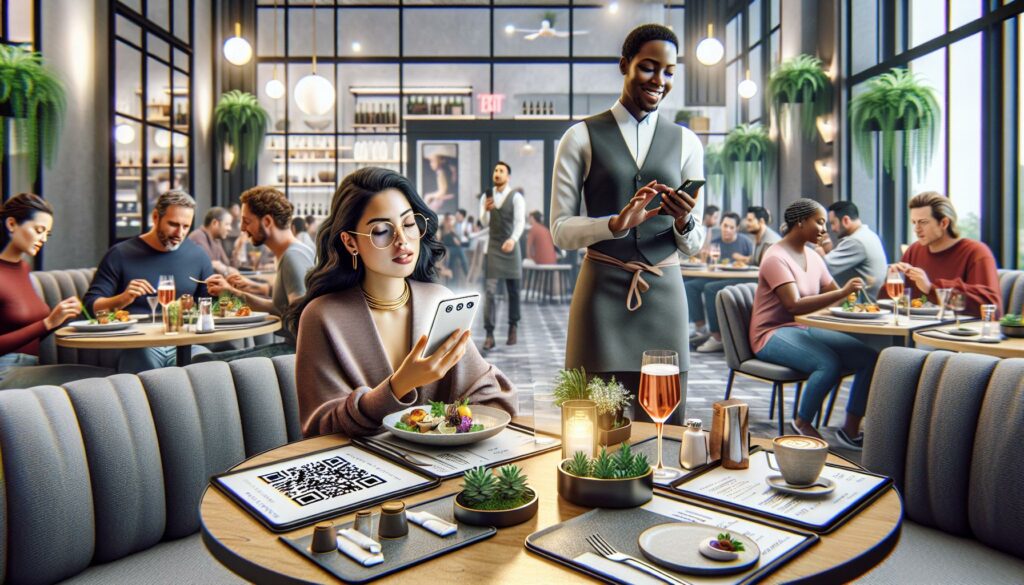
Let’s talk tech. In a world where convenience meets culinary creativity, technology is reshaping our food and beverage experience. We’ve witnessed the emergence of smart kitchens equipped with devices that recommend recipes based on what’s in our fridge. Sounds like a sci-fi movie, right? But it’s happening.
Artificial intelligence is also playing a role in taste profiles and predicting trends. Companies are now using data analytics to understand what flavors we crave before we even realize it ourselves. This innovative approach not only helps create fantastic flavor combinations but also reduces food waste, another huge win for sustainability.
Changing Consumer Preferences
Consumer preferences are shifting faster than we can say “third wave coffee.” We’re moving towards a more experience-driven dining approach, where it’s not just about what’s on our plates. People want to savor the ambiance, the company, and the story behind their meals. The rise of gourmet food trucks and pop-up restaurants is a testament to this change, allowing us to explore culinary experiences outside traditional dining settings.
Plus, let’s not ignore the impact of social media on our dining choices. Influencers have the power to turn a simple dish into a viral phenomenon. We’ll follow trends on TikTok or Instagram, and our cravings often reflect the latest viral food sensation, reminding us how interconnected our choices are.
Emerging Markets And Expanding Globalization
With increasing globalization, we’re witnessing a fascinating fusion of culinary cultures. All around the world, flavors are colliding, and our taste buds are the ultimate winners. Street foods from different corners of the globe are making their way into mainstream restaurants, introducing us to delightful new options.
Emerging markets are also reshaping the industry. As middle-class populations grow in countries like India and Brazil, we’re seeing a surge in demand for new products and dining experiences. These regions are becoming hotbeds for food innovation and, in turn, presenting opportunities for established brands to expand their reach. Who knows? The next big food trend might just come from an unexpected locale.