American culture food is a delicious melting pot that reflects the nation’s rich history and diverse influences. From the sizzling BBQ of the South to the hearty clam chowder of New England, every bite tells a story. It’s not just about what’s on the plate; it’s about the people, traditions, and celebrations that bring these flavors to life.
American Culture Food
American culture food reflects a rich tapestry woven from diverse historical influences. Influences arrive from Native American traditions, immigrant contributions, and regional adaptations. Each state boasts distinct culinary offerings that showcase local ingredients and techniques.
Southern BBQ merges smoky flavors with spice, attracting fans nationwide. New England clam chowder exemplifies comfort food, featuring creamy textures and chunks of fresh seafood. Tex-Mex cuisine incorporates vibrant colors and bold tastes, highlighting the fusion of American and Mexican flavors.
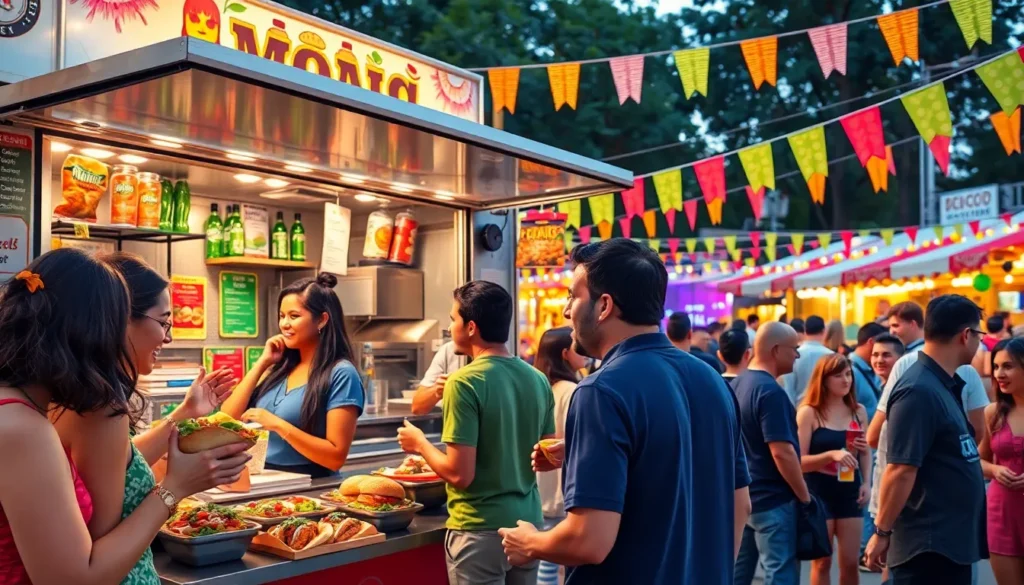
Street food plays an integral role in American food culture. Food trucks serve diverse options, from gourmet burgers to artisanal tacos, creating culinary experiences on the go. Festivals celebrating regional foods, such as the Iowa State Fair and the San Francisco Street Food Festival, further emphasize the communal aspect of American cuisine.
Culinary traditions also unite families and friends during holidays and events. Thanksgiving presents opportunities to enjoy turkey, stuffing, and pumpkin pie, while barbecues in summer foster social gatherings. Aspects of American culture food highlight nutritional diversity alongside indulgence.
Food also tells stories through its origins and adaptations. Pizza, originating from Italian immigrants, has evolved into countless variations across the country. Similarly, sushi bars reflect the growing appreciation for global flavors in American dining.
American culture food captures a vibrant mix of history, regionality, and communal experiences. Each dish offers a glimpse into the rich cultural landscape, marking culinary contributions that continue to evolve.
Regional Cuisine Variations
American cuisine features a variety of regional dishes that reflect unique cultural influences. Each area showcases its own flavors and traditions, creating a diverse culinary landscape.
Southern Comfort Food
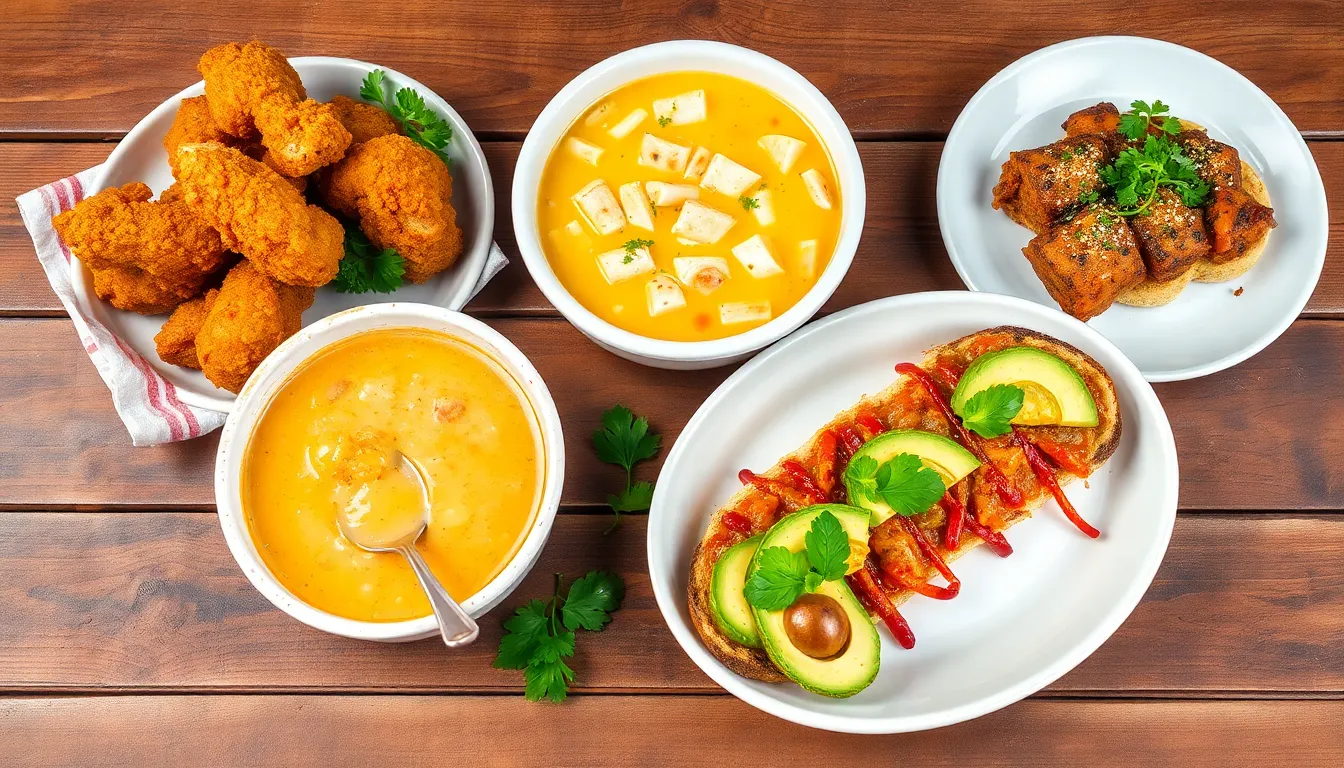
Southern comfort food emphasizes hearty flavors and rich dishes. Fried chicken, collard greens, and shrimp and grits exemplify the region’s culinary traditions. Barbecue varies by state, with Kansas City known for its sauce and Texas famous for its brisket. Traditional desserts like pecan pie and banana pudding add sweetness to Southern gatherings. These meals often serve as a means of bringing families together, especially during holidays and special occasions.
Northeastern Favorites
Northeastern cuisine combines fresh seafood and distinct regional ingredients. Clam chowder, a staple from New England, showcases the abundance of fresh clams and cream. Lobster rolls, packed with tender lobster meat, highlight the region’s maritime history. In addition, soft pretzels and cheesesteaks thrive in urban environments, offering convenient bites for locals. The cultural diversity in this region contributes to an array of international culinary influences, enriching the overall food scene.
Southwestern Flavors
The Southwest features bold flavors and vibrant ingredients. Tex-Mex cuisine blends traditional Mexican dishes with American tastes, highlighted by enchiladas and fajitas. Green chiles, commonly used in stews and salsas, provide a distinctive kick. Southwestern cooking often incorporates ingredients like corn, beans, and squash, celebrating the area’s agricultural roots. This regional cuisine reflects a blend of Native American and Mexican influences, showcasing a dynamic larger culinary culture.
West Coast Innovations
West Coast cuisine embraces innovation and fresh ingredients. California’s farming regions contribute to a focus on organic produce and sustainable foods. Dishes like avocado toast and sushi burritos represent the fusion of health-conscious dining and creative culinary trends. Food trucks introduce diverse options, offering everything from artisanal tacos to gourmet burgers. The emphasis on local ingredients and global flavors shapes a distinct approach to cooking, capturing the essence of West Coast food culture.
Cultural Influences On American Food
American food reflects diverse cultural influences. These influences create a rich tapestry of flavors and traditions.
Indigenous Culinary Traditions
Indigenous culinary traditions significantly shaped early American food culture. Native American groups introduced a variety of ingredients, such as maize, squash, and beans, known as the Three Sisters. Their methods of hunting, fishing, and gathering established sustainable practices, influencing regional diets. Unique dishes like succotash and cornbread emerged from these traditions. Furthermore, Indigenous techniques, including smoking and drying meats, contributed to the preservation of food, enhancing longevity. Contemporary American cuisine still showcases these roots, highlighting Indigenous influence on local and national dishes.
Immigrant Contributions
Immigrant contributions play a vital role in shaping American cuisine. Each wave of immigrants brought distinct flavors and cooking methods, enriching the culinary landscape. Italian immigrants popularized pasta, pizza, and gelato, while German settlers introduced sausages, pretzels, and sauerkraut. Asian immigrants added diverse palettes, producing dishes like ramen, pho, and sushi. Moreover, Latin American cuisine infused freshness with ingredients like cilantro, lime, and avocado, leading to the popularity of dishes such as tacos and burritos. The blending of these cultural elements fosters culinary innovation and reflects the multicultural identity of the United States.
Popular American Dishes
American cuisine features a multitude of beloved dishes that reflect the nation’s diverse palate. Each dish tells a story of cultural influence and regional flair.
Iconic Street Foods
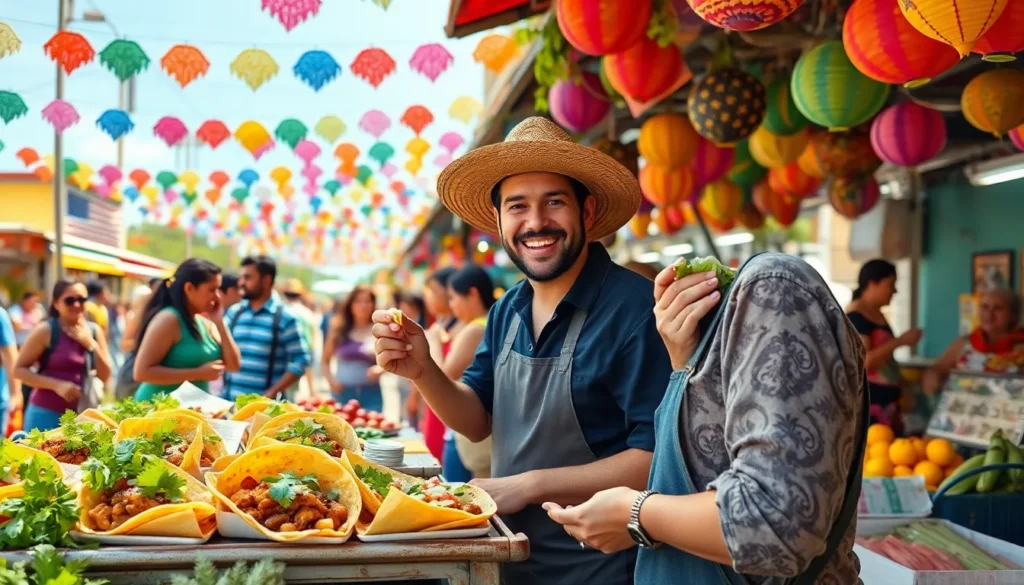
Street food showcases the vibrant culinary spirit found throughout America. Tacos, available in countless variations, offer a taste of Mexican influence, while hot dogs symbolize a classic American snack. Pretzels, often sold at fairs and street vendors, bring a taste of German culture and are perfect for sharing. Food trucks have popularized gourmet versions of traditional favorites, elevating everything from grilled cheese to gourmet burgers. These flavors provide a snapshot of the vast array of American food culture.
Traditional Holiday Meals
Traditional holiday meals illustrate the importance of food in American celebrations. Thanksgiving features turkey, stuffing, and cranberry sauce, highlighting the harvest season’s bounty. Recipes passed down through generations play a crucial role in these gatherings. Fourth of July barbecues often include burgers, hot dogs, and corn on the cob, embodying summer festivities. Each holiday meal reinforces family bonds and community connections through shared food experiences and cultural heritage. Unique dishes emerge from various regions, showcasing the diverse agricultural landscape across the country.
The Role Of Food In American Social Life
Food plays a crucial role in American social interactions. It serves as a vehicle for connection across various settings, bringing people together through shared meals and experiences.
Family Gatherings
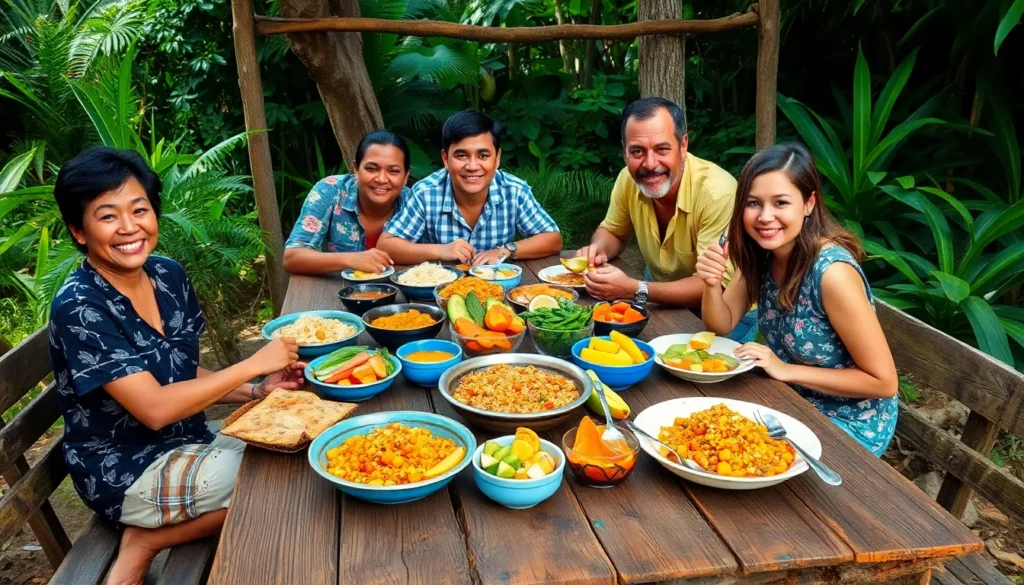
Family gatherings often center around meals that strengthen bonds. Thanksgiving, for instance, showcases traditional dishes such as turkey, stuffing, and cranberry sauce, emphasizing unity and gratitude. Summer barbecues offer casual settings where grilled favorites like burgers, hot dogs, and corn on the cob create opportunities for laughter and storytelling. In many homes, family recipes passed down through generations highlight cultural heritage and foster a sense of belonging. Special occasions, including birthdays and anniversaries, frequently feature favorite dishes that reinforce family traditions and create lasting memories.
Food Festivals and Celebrations
Food festivals highlight regional cuisines while fostering community spirit. Events like the New Orleans Mardi Gras offer culinary highlights such as gumbo and beignets, drawing crowds together in celebration. Local festivals focus on specific foods, where attendees enjoy street vendors and live music, enhancing the festive atmosphere. These gatherings showcase diverse culinary traditions, offering opportunities for people to try foods from various cultures. Celebrating food through festivals enables communities to share their heritage while promoting local economies. Engaging with food in these settings not only satisfies appetites but also creates lasting connections among participants.
Conclusion
American food culture is a dynamic expression of the nation’s rich history and diverse influences. It brings people together through shared meals and traditions that reflect regional uniqueness. From the comfort of Southern dishes to the bold flavors of Tex-Mex cuisine, each culinary experience tells a story.
The importance of food in American life extends beyond taste. It fosters connections among family and friends during celebrations and everyday gatherings. Festivals and food trucks further enhance this vibrant scene, showcasing the creativity and innovation that define American cuisine.
Ultimately, American food culture is a celebration of diversity that continues to evolve while remaining deeply rooted in tradition. It’s a testament to the power of food as a unifying force that enriches lives and communities across the country.