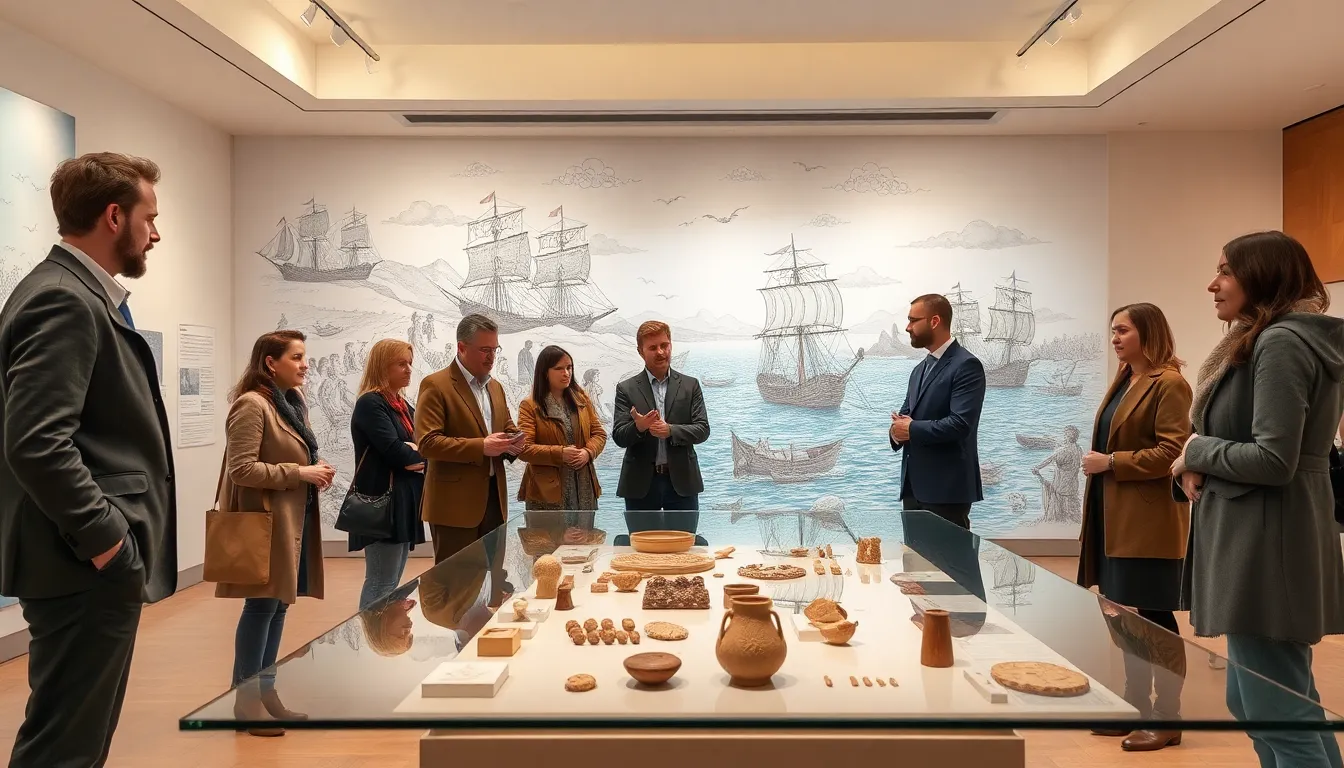
Pohjoisentisu is more than just a name: it’s a vibrant tapestry woven from rich history and culture. Imagine a place where every twist in the road tells a story and where traditions are both cherished and celebrated. This land isn’t just for the historians, but for anyone curious about the profound connections between geography and culture. So, buckle up. Let’s jump into the intriguing realm of Pohjoisentisu, where every corner has a tale waiting to unfold.
pohjoisentisu
To understand Pohjoisentisu, one must first travel back in time. This region boasts a unique history, intricately tied to its inhabitants and their journeys. Archaeological findings suggest that it has been inhabited for thousands of years, with influences from various groups shaping its cultural landscape.
From the early settlers influenced by trade, to colonial encounters with outside powers, each chapter of its history adds depth. Take, for example, the impact of Norse explorers who navigated these waters, leaving behind both stories and genetic marks. Modern scholars often argue that these historical narratives have laid the groundwork for the rich culture that thrives today.
Geographical Features and Its Influence on Culture
Pohjoisentisu’s landscape is nothing short of spectacular, featuring mountains, forests, and lakes that inspire awe and creativity. These geographical elements do more than just look pretty: they actively shape the local culture and way of life.
The mountains, for instance, serve as both a physical and metaphorical barrier, influencing not only the weather but also the social dynamics between communities. Lakes are essential for fishing traditions, while dense forests provide materials for crafting and create mystical folklore environments. It’s as if nature itself imparts lessons to the people, guiding their traditions.
Key Traditions and Customs of Pohjoisentisu
Diving into the customs of Pohjoisentisu reveals a rich tapestry of traditions, many of which have been passed down through generations. Festivals play a key role, celebrating seasonal changes and agricultural transitions. For instance, during the summer solstice, communities gather to partake in rituals that honor the longest day of the year.
Food also plays a significant role. Traditional dishes made from locally sourced ingredients often recount family stories and ancestral practices. Also, arts such as weaving and pottery often feature local motifs, each telling a story of the land and its people.
The Role of Language in Pohjoisentisu Identity
Language serves as the backbone of identity in Pohjoisentisu. Various dialects reflect the region’s diverse history and cultural influences, offering a glimpse into collective thought patterns and practices. Local languages contribute to cultural pride, often spotlighting environmental relationships and traditional practices unique to the area.
The community actively preserves its linguistic heritage: storytelling sessions take place, fostering intergenerational learning. Through these conversations, elders share wisdom while younger generations gain a sense of belonging and continuity, reinforcing community bonds in a modern world.
Modern Developments and Challenges Facing Pohjoisentisu
As we step into contemporary Pohjoisentisu, it becomes evident that modernization brings both opportunities and challenges. Urbanization is sweeping through the region, often leading to a conflict between new developments and the preservation of traditional practices. While the local economy benefits from tourism, there’s a lingering concern about cultural commodification.
Also, younger generations face the dilemma of balancing tradition with the allure of global culture. Engagement in social media and modernization can dilute local traditions unless carefully managed. Hence, it’s crucial for the community to navigate these waters thoughtfully while evolving.
Cultural Preservation Efforts and Their Importance
To combat the pressures of modernization, Pohjoisentisu has become a beacon for cultural preservation efforts. Community initiatives aimed at safeguarding traditional practices have surged in the past few years. For instance, local artisans often conduct workshops, reviving ancient methods of crafting for purposes beyond mere utility.
School programs promoting local history and indigenous languages are gaining traction, ensuring that the upcoming generations understand and value their roots. Such efforts not only afford tangible links to the past but ignite a sense of pride among the people. Their cultural heritage embodies resilience, and they continue to share their stories with the world.