In the vibrant heart of the Caribbean lies the Dominican Republic, a paradise not just for sun-seekers but for food lovers too. Picture this: a plate overflowing with mouth-watering mangu, savory sancocho, and the ever-popular mofongo. It’s a culinary fiesta where every bite tells a story, and every meal feels like a celebration.
Dominican food culture is a delicious blend of indigenous Taíno, African, and Spanish influences, creating a unique gastronomic experience that dances on the palate. Whether it’s a family gathering or a street corner food stall, the Dominican way of eating is all about community, flavor, and a sprinkle of humor. So grab a fork, loosen that belt, and get ready to dive into a world where every dish is an invitation to savor life.
Dominican Republic Food Culture
Dominican Republic food culture reflects a rich tapestry of history and diversity. Culinary influences from indigenous Taíno, African roots, and Spanish colonization shape the vibrant palate. Traditional meals often include staples such as rice, beans, and plantains, which are foundational in daily diets.
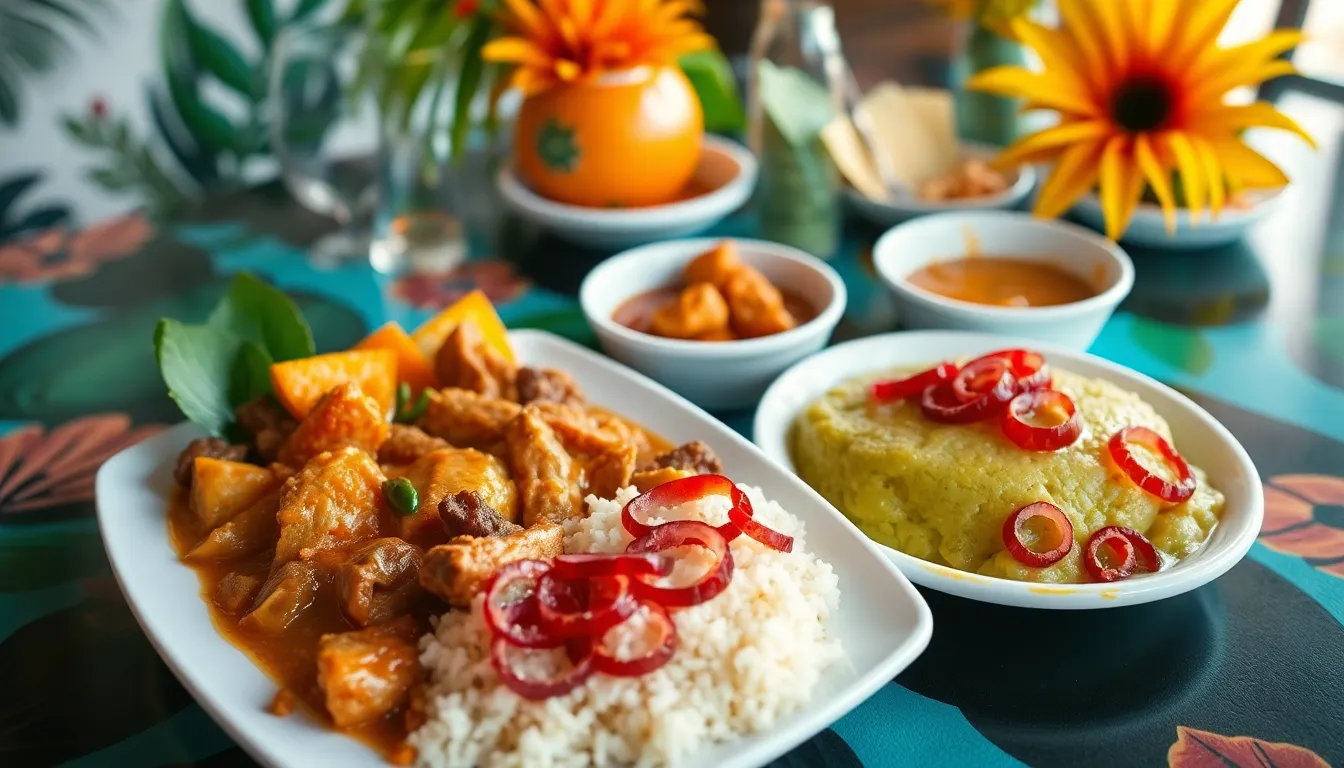
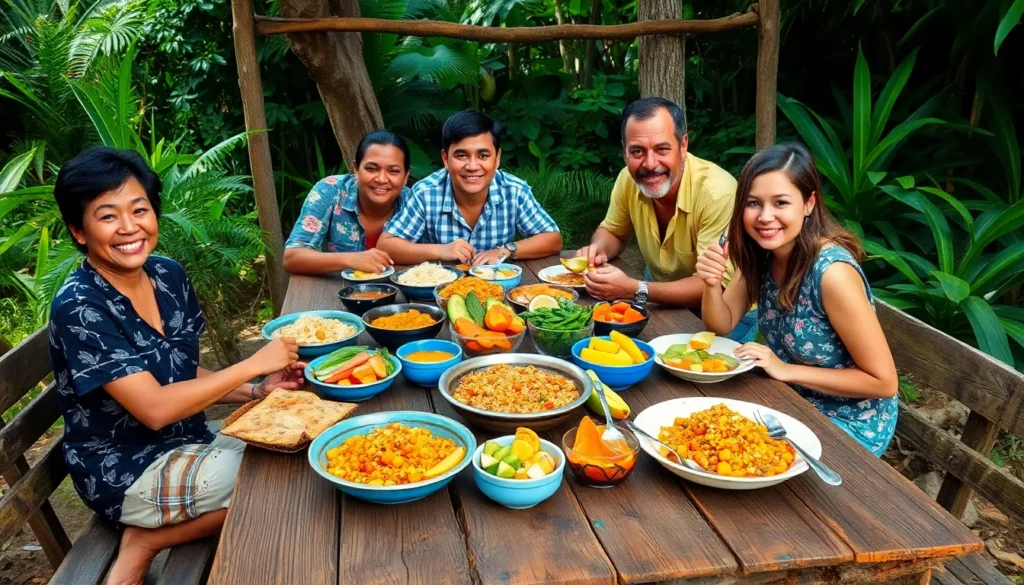
A communal dining experience characterizes many gatherings. Families and friends frequently share meals, fostering connections and celebration. Popular dishes like mangu, sancocho, and mofongo feature prominently on tables and highlight the importance of flavor and tradition.
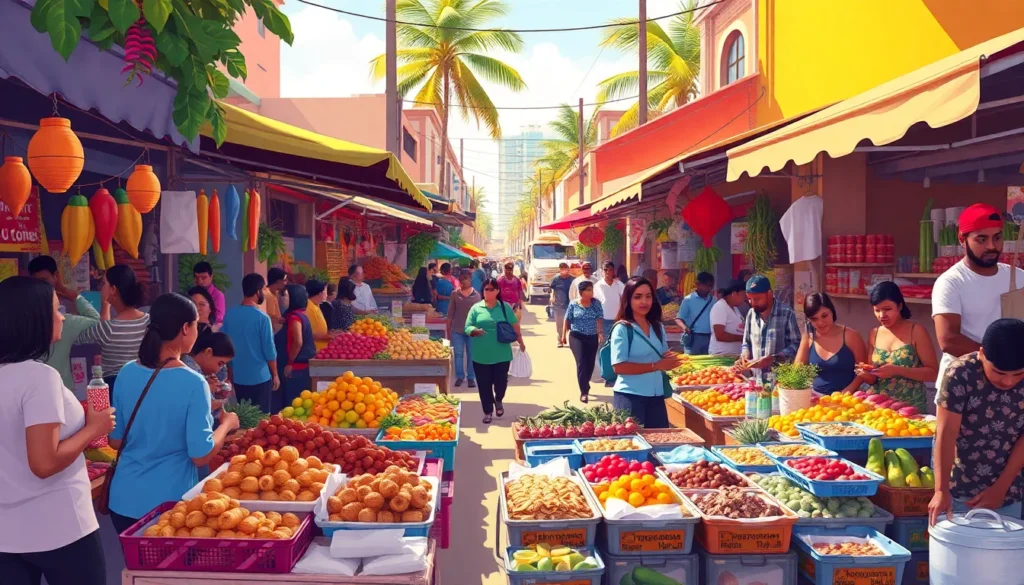
Dominican cuisine also emphasizes fresh ingredients. Many locals prefer farm-to-table practices, sourcing vegetables and proteins from local markets. Seasonal dishes enhance the culinary variety, showcasing what’s available throughout the year.
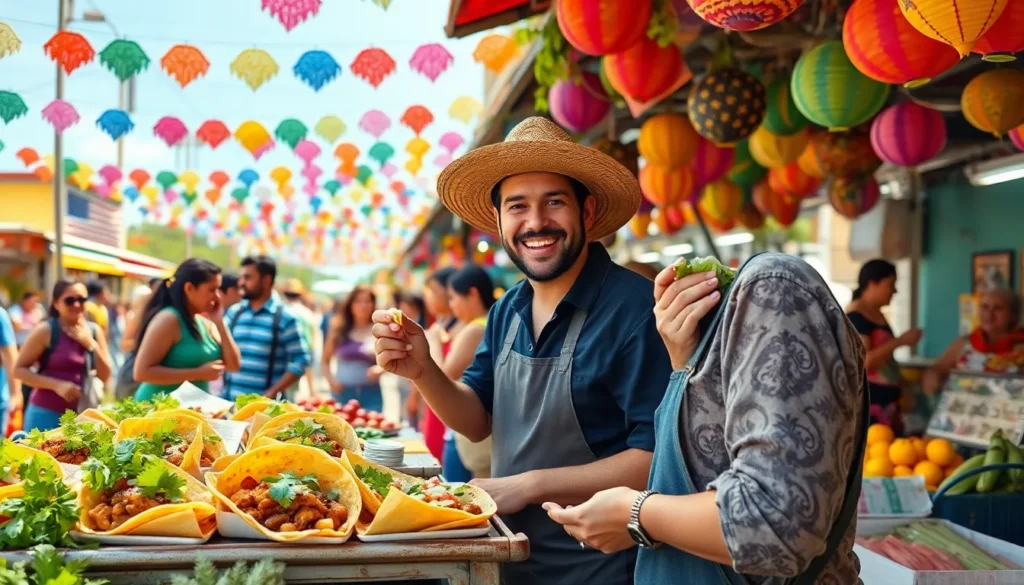
Street food culture thrives in cities and towns. Vendors offer snacks like empanadas, arepas, and chicharrón, allowing on-the-go enjoyment of authentic flavors. This accessibility makes Dominican cuisine not only delicious but also integral to daily life.
Festivals and holidays further enrich the food culture. Celebrations often include special dishes, bringing families together to honor their heritage. Food plays a central role during events like Christmas, where traditions infuse meals with significance and nostalgia.
Influences beyond the island also appear in the food culture. American fast food and international dishes have gained popularity, introducing variety while maintaining a connection to local flavors. This fusion demonstrates the adaptability of Dominican cuisine.
Understanding Dominican Republic food culture unveils the essence of its people. Every dish tells a story and evokes cherished memories, making the culinary landscape as vibrant as the island itself.
Traditional Dishes
Dominican cuisine features a variety of traditional dishes that showcase its rich cultural heritage and unique flavors. Each dish highlights the diverse influences that shape this vibrant food culture.
Sancocho
Sancocho stands as a prominent dish within Dominican culinary traditions. This hearty stew incorporates various meats, often including chicken, beef, and pork. Vegetables like yuca, plantains, and corn provide additional flavor and texture. The dish typically brews slowly, allowing the ingredients to meld together, creating a robust taste. Family gatherings often feature sancocho, reinforcing its role as a communal dish that enhances connections among diners. Its versatility allows for regional variations, showcasing local ingredients and family preferences.
Mangu
Mangu serves as a beloved breakfast staple in the Dominican Republic. This dish consists of mashed green plantains, usually paired with sautéed red onions. Mangu often accompanies eggs, fried cheese, or salami, making for a filling meal. The combination of flavors offers a comforting start to the day. Though it has simple ingredients, skillful preparation elevates its taste. Traditionally, mangu is enjoyed with family on weekends, highlighting its significance in bringing people together around the breakfast table.
Influence of Afro-Caribbean Cuisine
Afro-Caribbean cuisine significantly shapes Dominican food culture, introducing unique ingredients and flavors. The combination of African and Caribbean culinary traditions enhances everyday dining experiences.
Ingredients and Flavors
Plantains, rice, and beans serve as staples in Dominican meals. Rich spices and herbs like oregano, garlic, and cilantro imbue dishes with vibrant flavors. Tropical fruits such as mangoes and guavas provide refreshing additions to both savory and sweet preparations. Moreover, fresh seafood reflects the country’s coastal geography, contributing to dishes like pescao (fish) prepared with local seasonings. Meats like chicken and pork are also prevalent, often marinated to elevate their taste. Each ingredient tells the story of a diverse cultural heritage, highlighting the blend of African, Taíno, and Spanish influences.
Cooking Techniques
Dominican cooking frequently employs techniques such as frying, boiling, and stewing. Frying plantains results in tostones, a popular snack that showcases the country’s love for crispy textures. Stews like sancocho simmer spices and various meats together, infusing flavors over hours. Boiling rice serves as a foundation for many dishes, allowing for pairing with beans or meats. Grilling also highlights the smoky flavors in many preparations, especially seafood. These methods reflect a communal approach, often drawing family and friends together for cooking and sharing meals.
Street Food Scene
The street food scene in the Dominican Republic showcases vibrant flavors and diverse offerings. Vendors can be found in bustling markets and on busy streets, providing quick and delicious bites.
Popular Street Foods
Dominican street food features favorites like empanadas, filled with savory ingredients. Chicharrón, crispy fried pork, delights many with its crunchy texture. Another popular choice is yaroa, a delicious layered dish combining fries, cheese, and meat. Sancocho serves as a heartwarming option, with vendors recreating this traditional stew in portable servings. Also, the sweet treat of churros highlights the blend of cultures, appealing to a variety of tastes.
Cultural Significance
Street food embodies the Dominican Republic’s rich culinary heritage. These informal dining experiences foster community connections and social interactions among locals. Food vendors often serve as cultural ambassadors, sharing recipes passed down through generations. Celebrations and everyday moments unite through shared meals, reinforcing the importance of food in everyday life. On weekends, families frequently gather around food stalls, emphasizing the communal aspect of Dominican culture. The street food experience remains an essential part of the nation’s identity, reflecting its history and diverse influences.
Modern Adaptations
Dominican cuisine continues to evolve, reflecting contemporary influences while honoring traditional flavors. Modern adaptations showcase the unique merging of culinary practices.
Fusion Cuisine
Fusion cuisine thrives in the Dominican Republic, blending traditional ingredients with international culinary techniques. Chefs incorporate elements from Italian, Asian, and Middle Eastern cuisines. They create dishes like pasta with sancocho sauce or sushi rolls featuring local fish. Street vendors experiment with flavors as well, crafting items such as taco-inspired mangu. This culinary innovation captivates both locals and tourists, providing a fresh take on beloved staples.
Health Conscious Trends
Health-conscious trends shape modern Dominican food culture as awareness of nutrition increases. Organic produce becomes more accessible, encouraging the use of fresh fruits and vegetables. Traditional dishes see lighter variations, such as baked instead of fried options. Superfoods like quinoa find their way into local menus, enhancing traditional rice dishes. Meal prepping gains popularity, reflecting a shift toward healthier eating habits while maintaining cultural identity. These adaptations foster a connection between heritage and contemporary lifestyle preferences.
Conclusion
Dominican Republic food culture is a vibrant tapestry woven from history and tradition. Each dish offers a glimpse into the country’s rich heritage while inviting a sense of community and connection. The blend of flavors reflects the resilience and creativity of its people as they adapt to modern influences without losing sight of their roots.
From hearty family meals to the lively street food scene, the culinary landscape is a celebration of life and togetherness. As Dominican cuisine continues to evolve, it remains a testament to the enduring spirit of its culture, ensuring that every meal shared is a cherished experience. Embracing this food culture not only satisfies the palate but also nurtures the soul.